Canary Care
Complete Canary Care Guide
A complete beginner guide to domestic canary care: choosing a canary, cage setup, food, water, sleep, light, bathing, cleaning, molting, breeding and routine.
Practical canary care, breeding, behavior, nutrition and variety guides based on 15 years of hands-on experience.
The most useful places to start, whether you have just brought a canary home or are planning a breeding season.
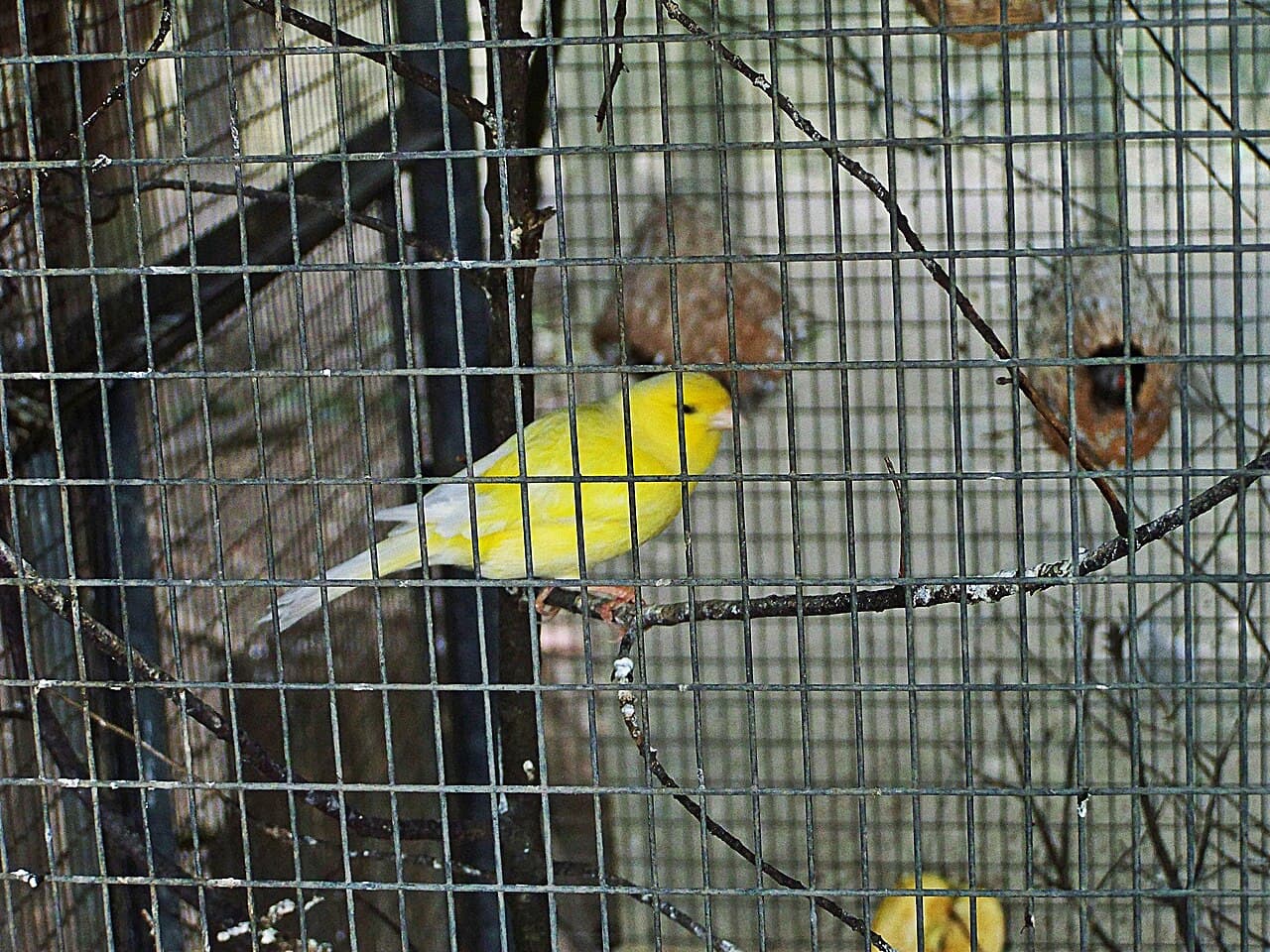
A complete beginner guide to domestic canary care: choosing a canary, cage setup, food, water, sleep, light, bathing, cleaning, molting, breeding and routine.
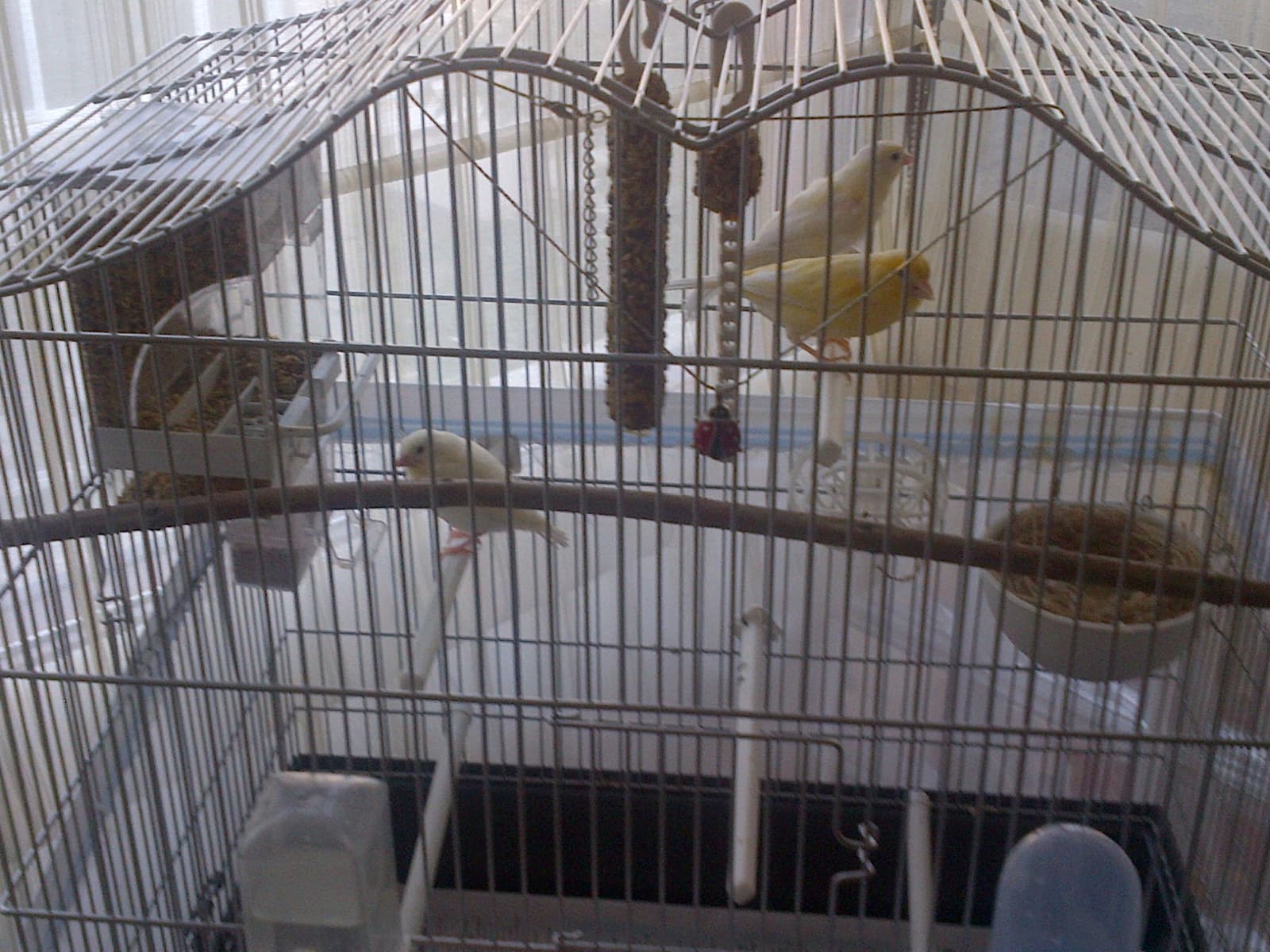
The most common canary care mistakes — from tall cages and seed-only diets to kitchen fumes and late nights — and simple ways to fix each one.
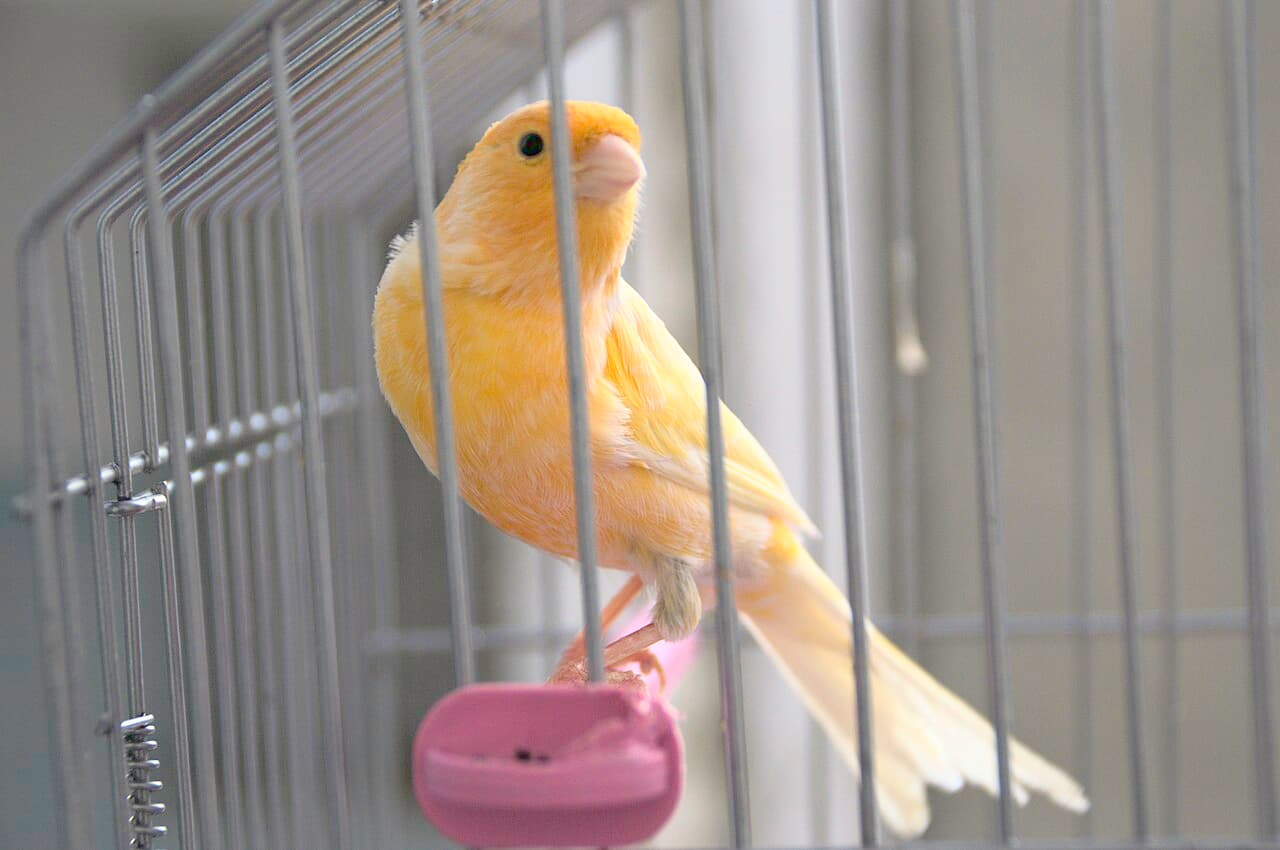
A practical daily canary care routine covering water, food, fresh greens, health checks, cleaning, bathing and bedtime — plus weekly and seasonal tasks.
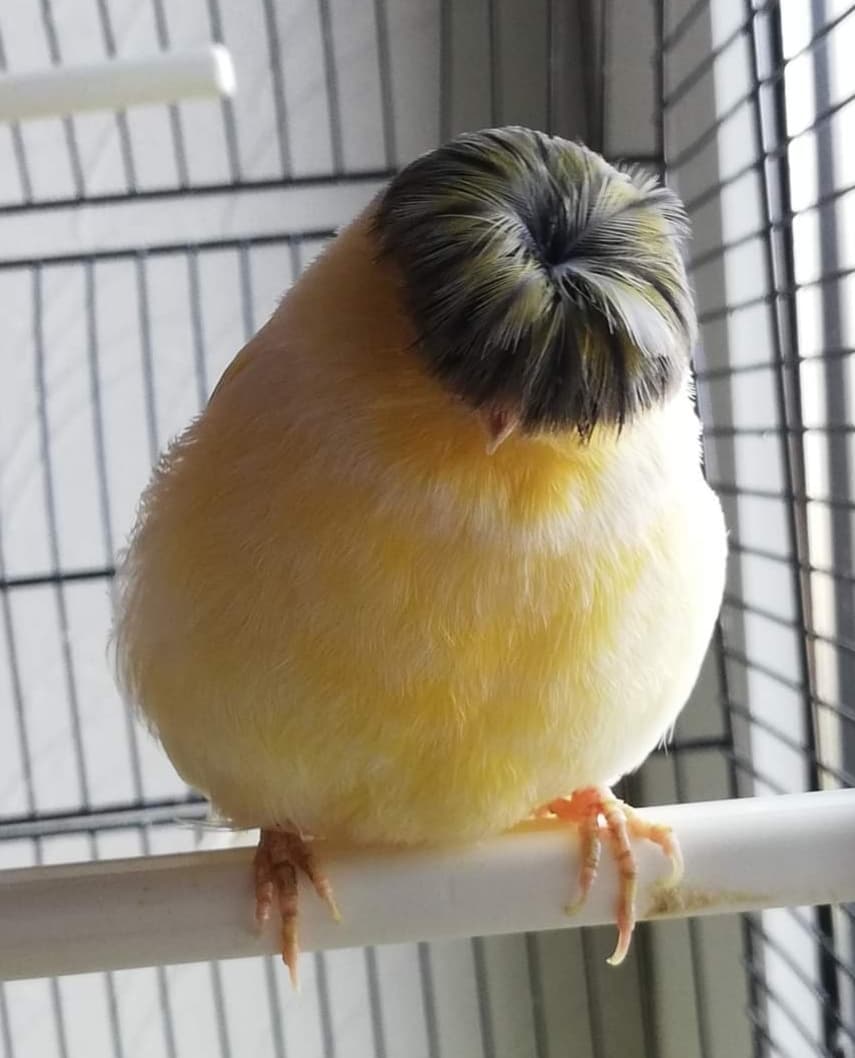
Gloster canary guide: origin, Corona and Consort forms, appearance, colors, temperament, care, breeding rules for crested birds and beginner suitability.
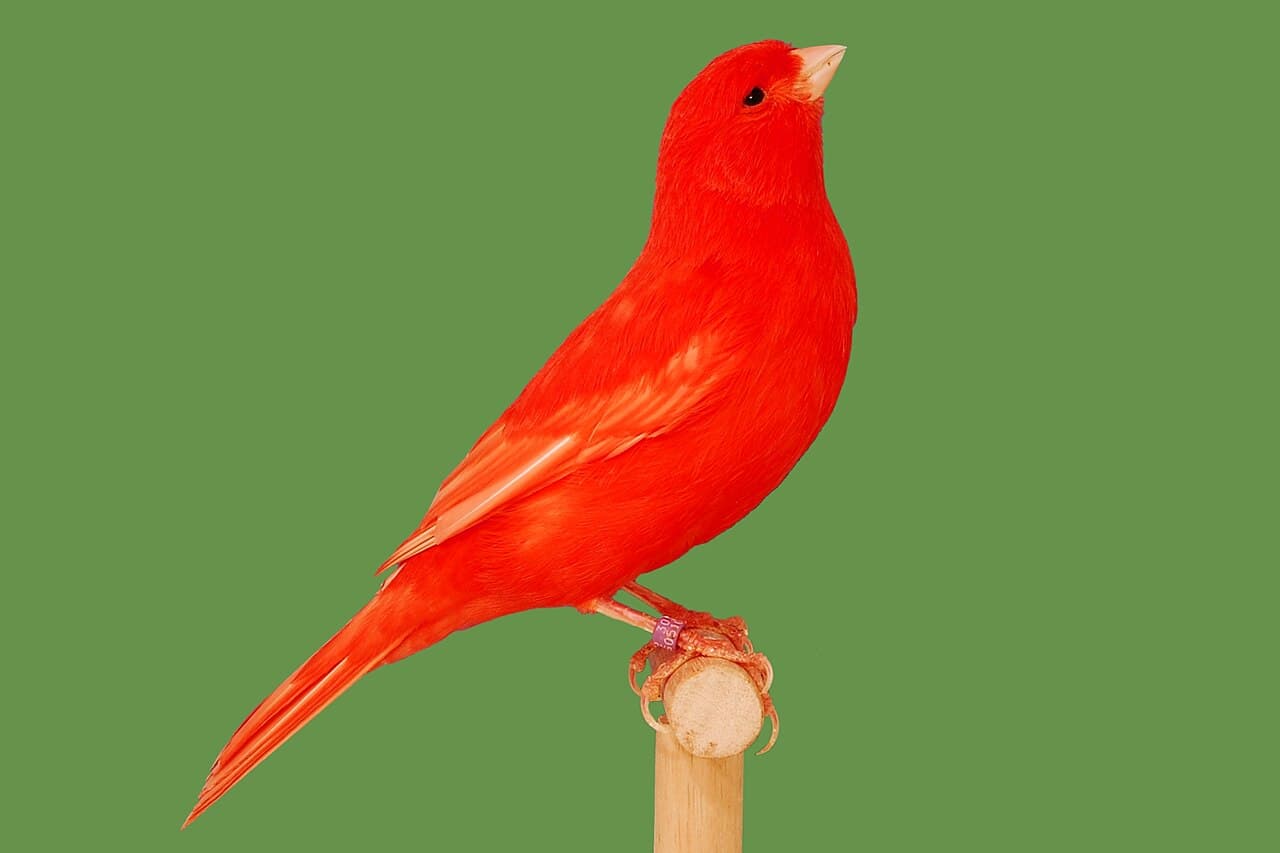
Red factor canary guide: red siskin ancestry, history, colors and feather types, care, color feeding during the molt and breeding considerations.
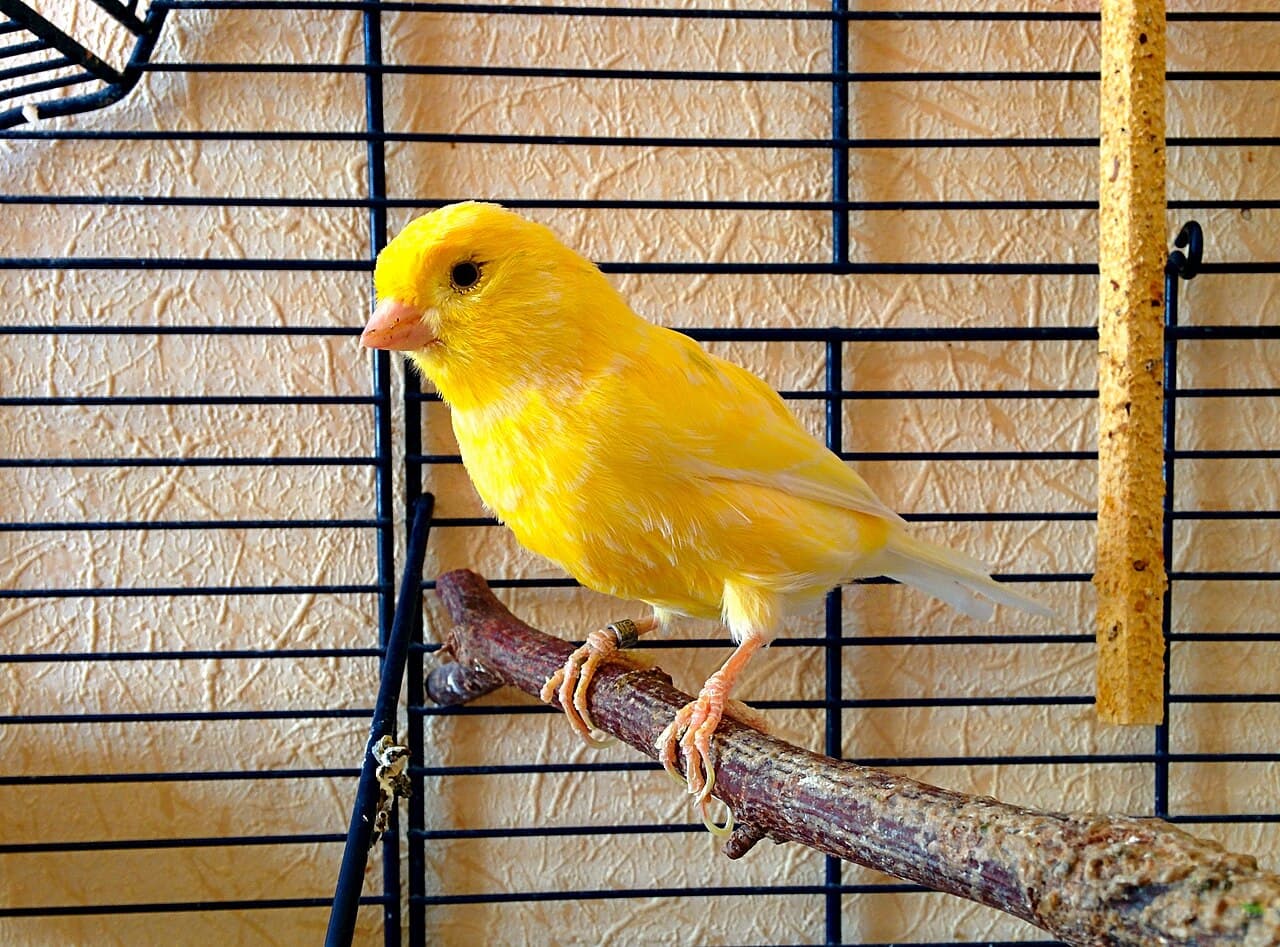
A guide to the Roller canary (Harz Roller) — its German origin, soft closed-beak song and song tours, appearance, care, training, breeding and suitability as a pet.
Domestic canaries are grouped into song, type (shape) and color canaries. Explore the main varieties.
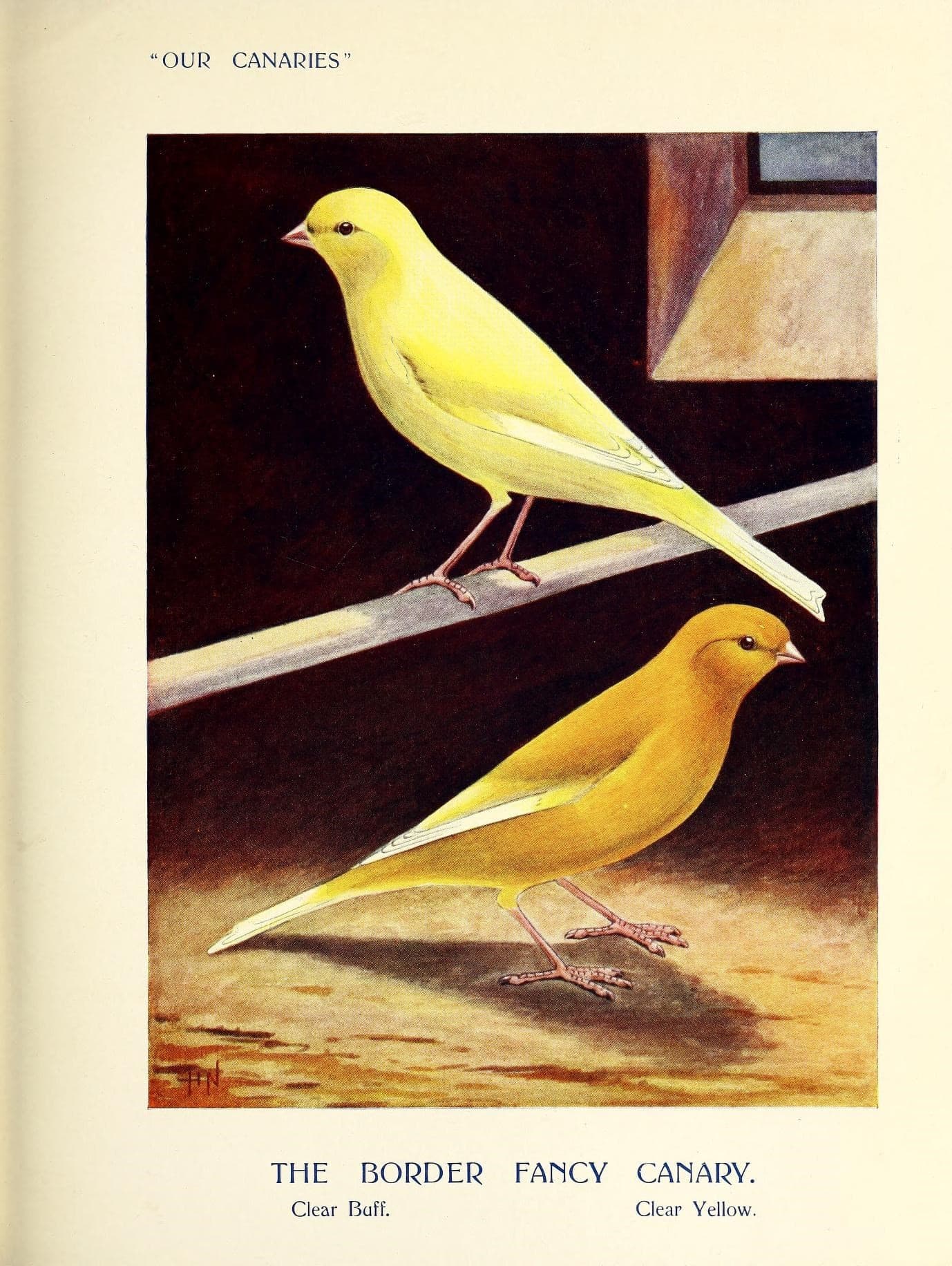
A guide to the Border canary (Border Fancy): Anglo-Scottish origin, appearance, colors, temperament, care, breeding and how it differs from the Fife and Gloster.
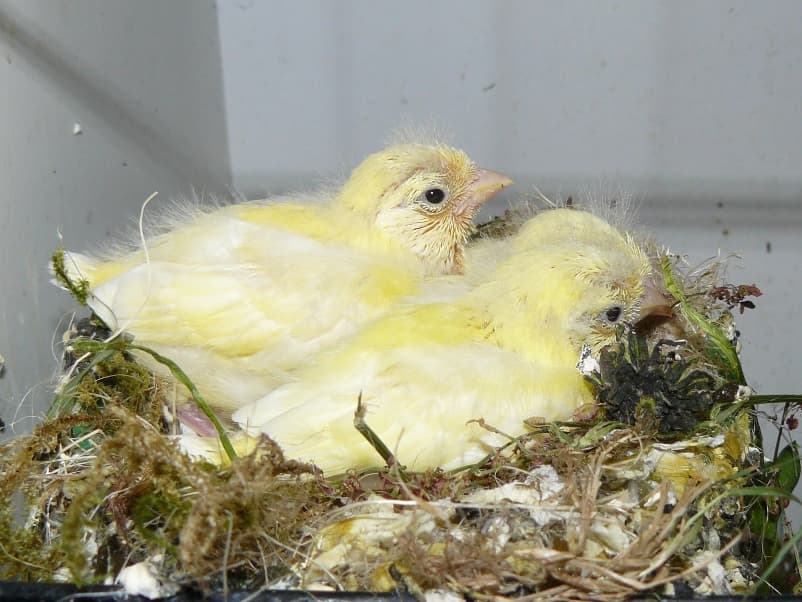
A guide to the Fife Fancy canary — developed in Fife, Scotland as a smaller Border — covering appearance, colors, temperament, care, breeding and beginner suitability.
Gloster canary guide: origin, Corona and Consort forms, appearance, colors, temperament, care, breeding rules for crested birds and beginner suitability.
Red factor canary guide: red siskin ancestry, history, colors and feather types, care, color feeding during the molt and breeding considerations.
A guide to the Roller canary (Harz Roller) — its German origin, soft closed-beak song and song tours, appearance, care, training, breeding and suitability as a pet.
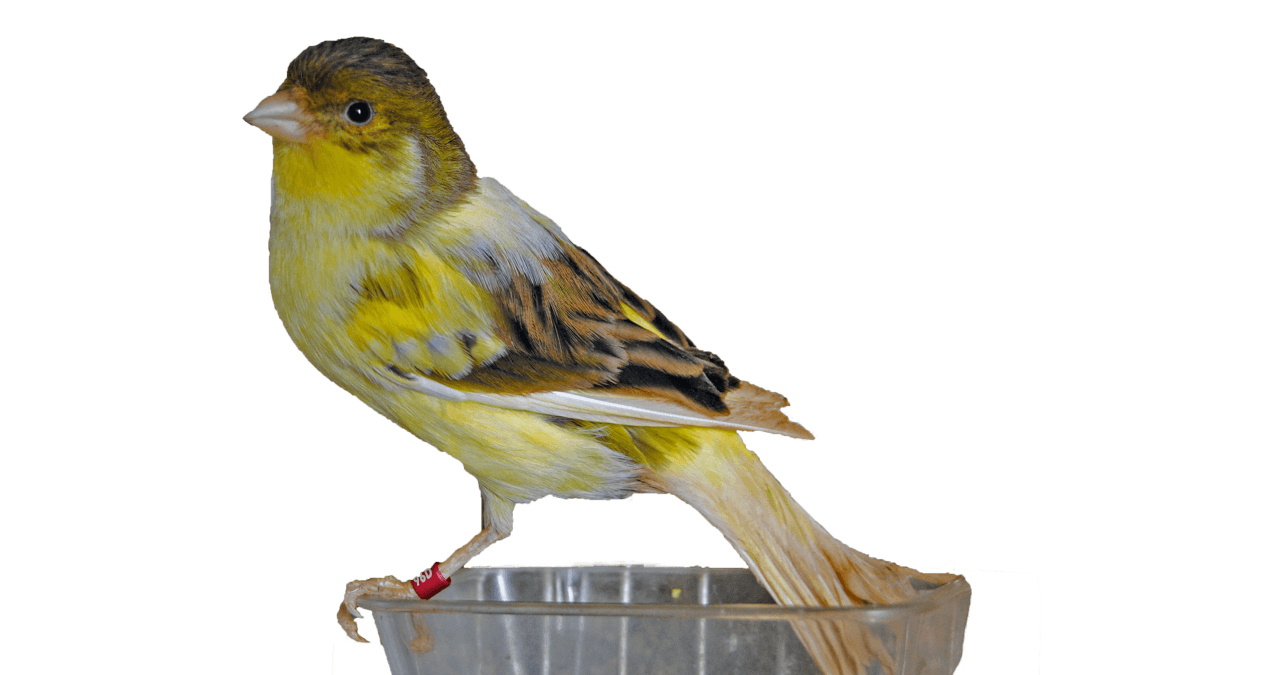
Spanish Timbrado canary guide: Spanish origin, loud metallic open-beak song, appearance, temperament, care, breeding and how it compares with the Roller.
Daily routines, cleaning, sleep, bathing and the habits that keep a canary settled.
The most common canary care mistakes — from tall cages and seed-only diets to kitchen fumes and late nights — and simple ways to fix each one.
A practical daily canary care routine covering water, food, fresh greens, health checks, cleaning, bathing and bedtime — plus weekly and seasonal tasks.
Yes — canaries need regular access to bath water. Learn how often to offer a bath, the best bath setups, water temperature and what to do if your canary will not bathe.
Preparing pairs, nests, eggs, incubation and raising a healthy round of young birds.
Everything about canary eggs — how many eggs canaries lay, laying pattern, dummy eggs, how long incubation takes, candling, hatching and common egg problems.
A step-by-step canary breeding guide: choosing and conditioning pairs, breeding cages, nests, eggs, incubation, chicks, weaning and how many rounds to allow.
How to set up a canary nest — choosing and positioning a nest pan, felt liners, safe nesting materials, what to avoid, and what to do when a hen will not use the nest.
Seed, pellets, greens, egg food and the foods canaries should never be given.
What domestic canaries eat — seed mixes, pellets, vegetables, greens, fruit, egg food, calcium and water — with a sample daily feeding plan and seasonal changes.
Yes, canaries can eat apple flesh and skin in small amounts — but never the seeds. How to prepare apple for a canary, how much to give and how often.
Yes, canaries can eat cucumber. It is safe and hydrating but low in nutrients. How to prepare cucumber, how much to give and which greens to pair it with.
Answers to the behavior questions canary owners ask most often.
The most common reasons a canary is not singing — female bird, molting, age, new home, season, stress, light and health — and practical steps to help a male sing again.
A realistic guide to taming a canary — what "tame" means for a canary, a step-by-step trust-building plan using routine and food, and what not to do.
How to tell male and female canaries apart — singing, behavior, vent shape in breeding condition and other clues — and why sexing young canaries is difficult.
Practical, everyday problem solving — singing, feeding, behavior and breeding.
Why canary eggs do not hatch — infertile eggs, birds not in condition, incubation problems, disturbance, humidity — and how to improve results in the next round.
Why canaries fight or chase each other — two males, spring hormones, crowding, food guarding — and practical ways to stop fighting, including when to separate birds.
What to check when a canary seems not to be eating — husks, new food, stress, molting — and the warning signs that mean contacting an avian vet the same day.
What a normal molt looks like, how long it lasts and how to support your bird through it.
Canary molting explained: when it happens, how long it lasts, normal feather loss, juvenile and soft molts, why song stops, and how to help your bird.
How to feed a molting canary — more protein with egg food, extra greens, seed and pellets, calcium, and what to know about color feeding for red factor canaries.
A normal canary molt usually lasts around 6–10 weeks. What affects the length of the molt, how a juvenile molt differs, and when a molt is lasting too long.
Daily routines, cleaning, sleep, bathing and the habits that keep a canary settled.
Song, type and color canaries: origins, appearance and what each variety is like to keep.
Preparing pairs, nests, eggs, incubation and raising a healthy round of young birds.
Seed, pellets, greens, egg food and the foods canaries should never be given.
Singing, fear, taming and what a canary's everyday behavior is telling you.
Practical help with singing, feeding, behavior and breeding problems.
What a normal molt looks like, how long it lasts and how to support your bird through it.
Cage size, set-up, perches, placement, lighting and a safe home environment.
Chick development, fledging, weaning and caring for young canaries.
Short, direct answers to the questions canary owners ask most often.
The most common canary care mistakes — from tall cages and seed-only diets to kitchen fumes and late nights — and simple ways to fix each one.
A practical daily canary care routine covering water, food, fresh greens, health checks, cleaning, bathing and bedtime — plus weekly and seasonal tasks.
Yes — canaries need regular access to bath water. Learn how often to offer a bath, the best bath setups, water temperature and what to do if your canary will not bathe.
Canaries benefit from natural daylight and a natural day length, but direct sun can overheat them quickly. How to give a canary light safely, indoors and outdoors.
Canaries need around 10–12 hours of quiet darkness each night. Learn how to set a bedtime routine, whether to cover the cage, and how sleep affects singing and molting.
How often to clean a canary cage — daily, every few days, weekly and monthly tasks — plus a step-by-step full clean and which cleaning products are safe around birds.
Ayman Damak has kept and bred domestic canaries for 15 years. This site shares what that hands-on experience has taught about everyday care, breeding seasons and the different canary varieties — clearly separated from general reference information, and never presented as veterinary advice.
Read Ayman's story